
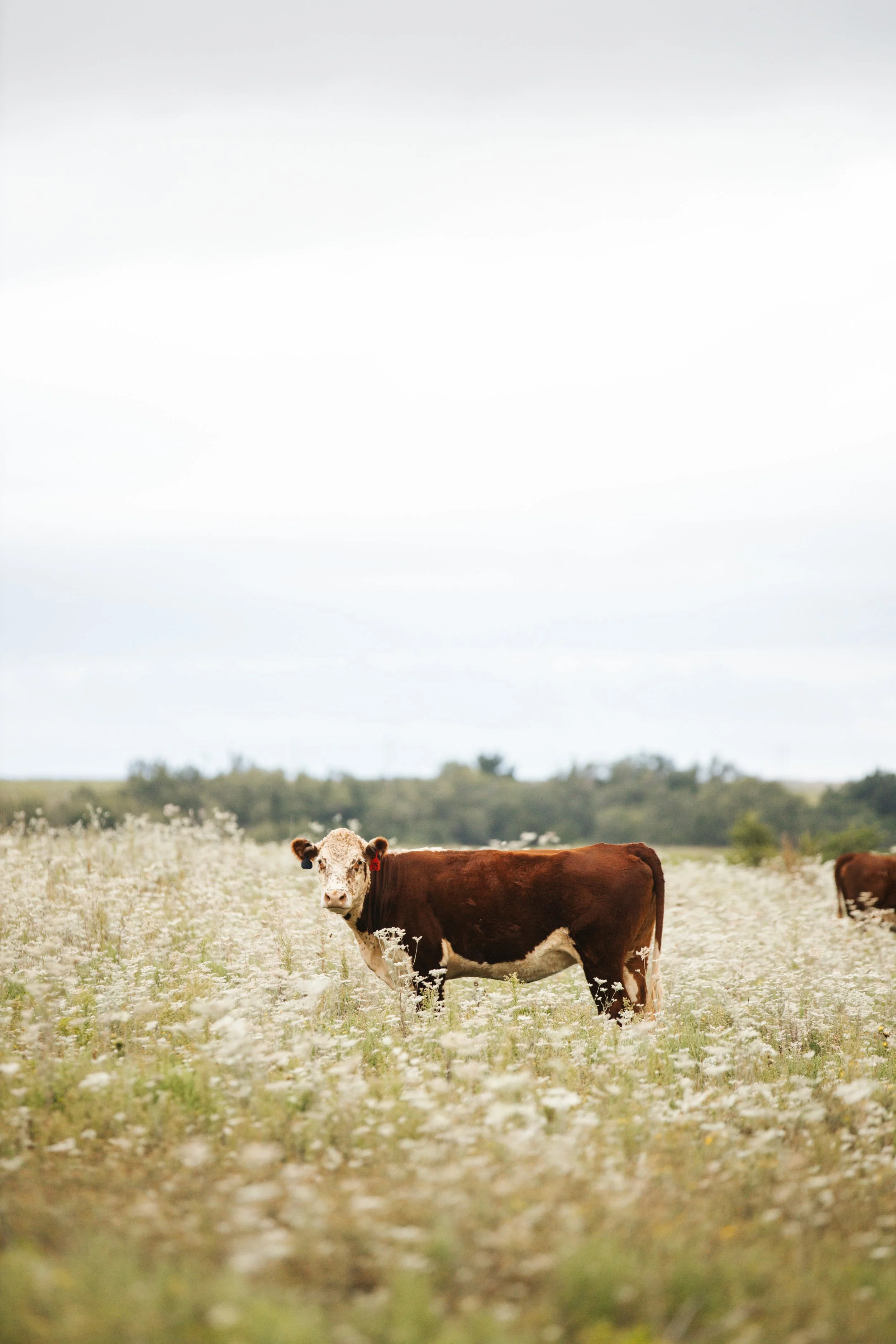
The animals of Osage Orange farms
When my grandparents bought the original farm in1928, they started with one milk cow, a garden, some chickens and pigs to raise. Not too long after, they started their family with their first child (my Aunt Arline) being born, followed a couple of years later by my Uncle Richard. But the 1930s brought the depression and drought, and my grandparents had to find a way to survive. They bought piglets to raise and sell, and those piglets helped keep the farm going when many others were being forced to let their farms go.
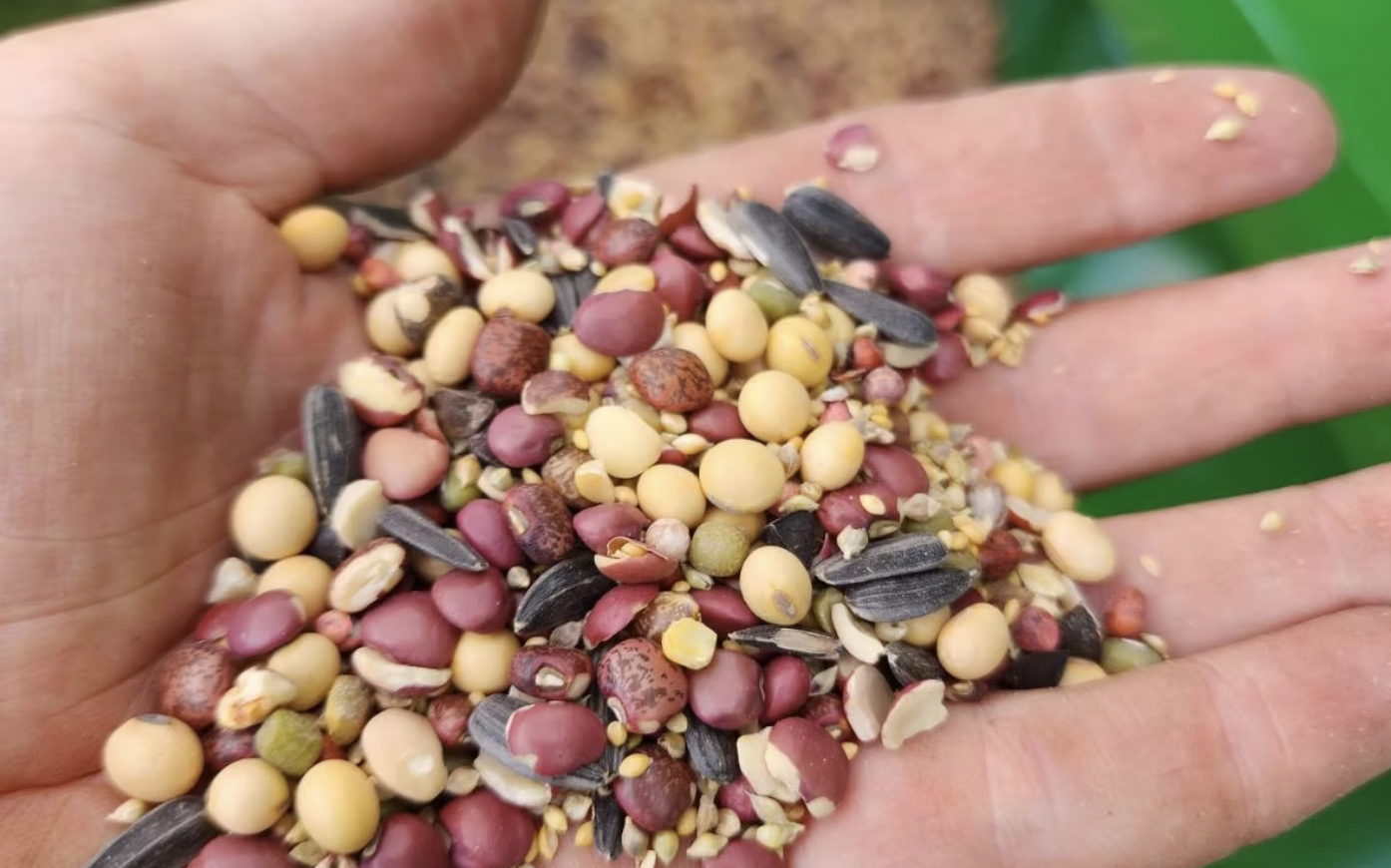
The Future of Farming
Wheat was big business across the center of the country in the early 1900s. People were encouraged to clear the land and plant to feed those in cities. This was relatively fine in the more northern areas of the country-- The Nation’s Bread basket, but Oklahoma was different. The soil allowed for good crops for a while, then, the rain stopped, the wind started, and the grasshoppers came. Suddenly, farmers weren’t able to grow a wheat crop. Some kept hoping for rain, some gave up their land and moved to California, and some tried to work with the ground.
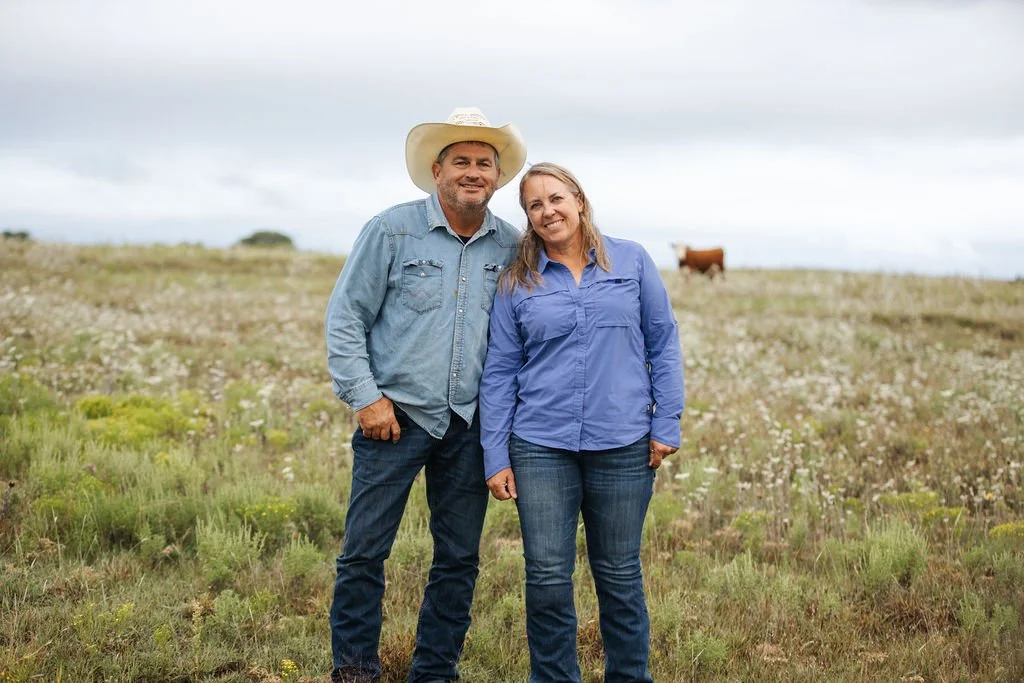
Hi, I’m Canda!
When I was 10 years old, I knew I was going to be a doctor. I didn’t know what kind, but I was definitely going to do BIG things far away from this farm in western Oklahoma. Never did I think I'd be back in western Oklahoma working, and living, on the family farm.
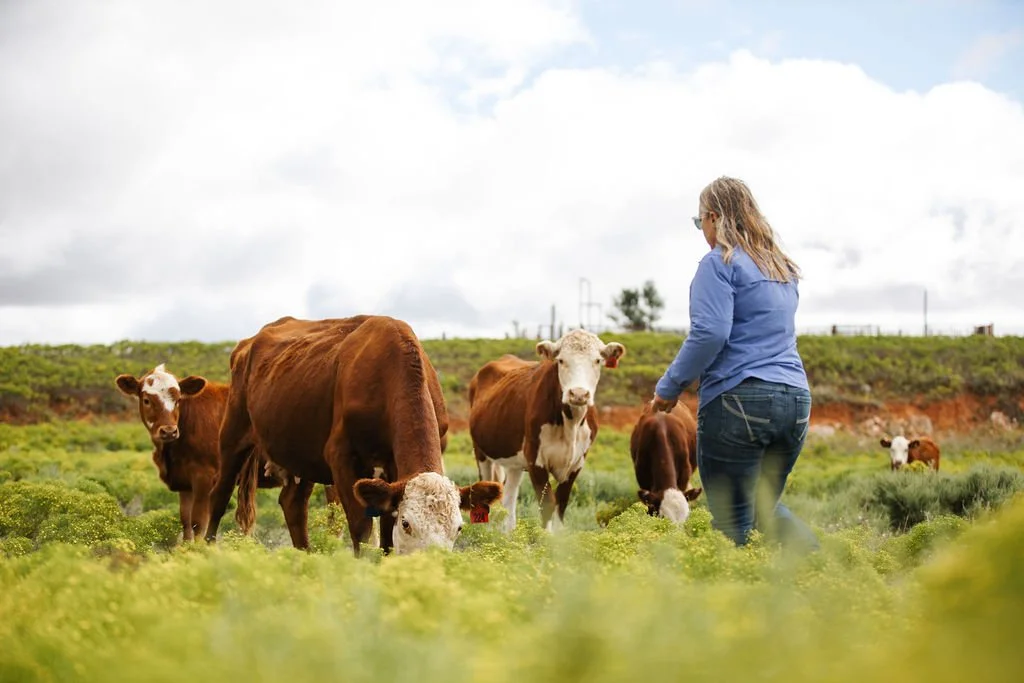
Featured in Drovers: Ranching Beyond the Fence Line
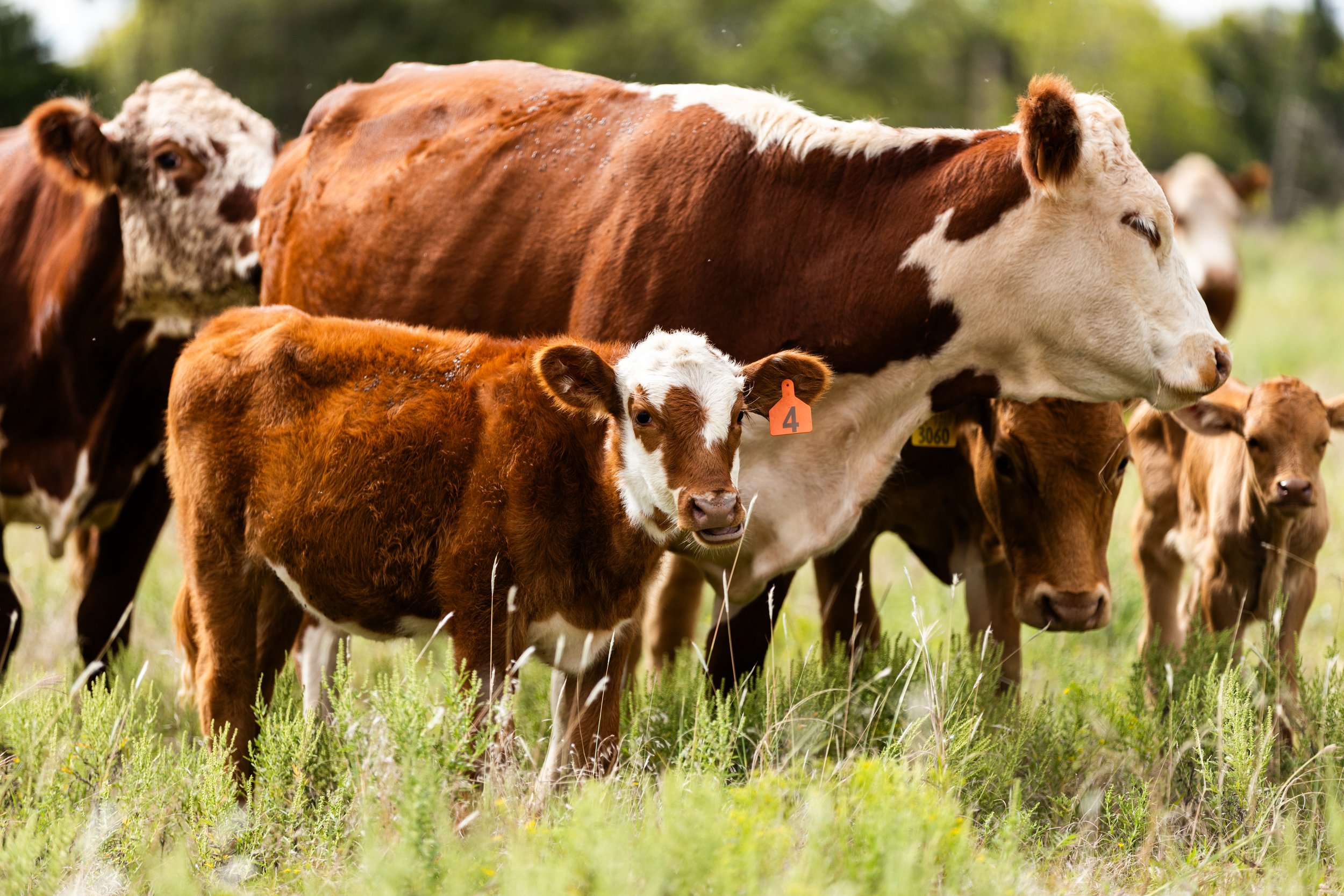
At Osage Orange Farms, we spend a lot of time thinking about how to work with the land instead of against it. Sometimes that means returning to old-school ranch values: healthy pasture, rotational grazing, calm cattle, and stewardship that lasts longer than a single season. And sometimes it means being willing to try something new. That’s why we were excited to be featured in a recent article by Drovers discussing how virtual fencing technology is changing the future of grazing management.
Welcome to The Osage Orange Journal
There’s a lot that happens on a ranch that never makes it onto a product label.
The early mornings.
The weather that doesn’t cooperate.
The small decisions that turn into big ones over time.
The quiet moments out in the pasture that remind you why you’re doing this in the first place.